How To Start Your Garden Indoors
How To Start Your Garden Indoors. You can devote as little as a windowsill or as much as. Put two to four seeds in each container and cover them with a light dusting of soil.
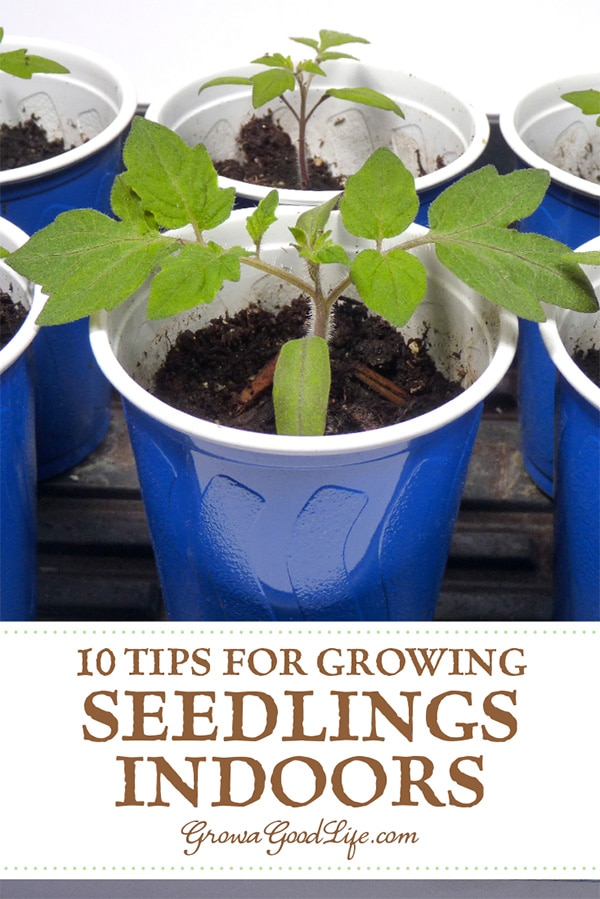
Vegetable and flower seeds need to be started indoors at the right time to ensure they are large enough to be transplanted, but not so big that they become difficult to manage and keep alive until planting day. You can even reuse items from around your house to start your seedlings. Most veggies need between 6 to 8 hours of direct sun (minimum), so it’s important to have a grow light if you are sowing your vegetable seeds indoors in late winter.
Leafy greens are also solid indoor gardening choices.
Whether you want to extend your growing season or add some more fresh food to your diet, there are a variety of vegetables, herbs, and fruits that do well indoors. Vegetable and flower seeds need to be started indoors at the right time to ensure they are large enough to be transplanted, but not so big that they become difficult to manage and keep alive until planting day. If you want to save money, start with seeds.
Vegetable garden how to start your vegetable seeds /.
Although gardeners are usually chomping at the bit for gardening season to roll around, starting seeds too early indoors can lead to a whole slew of problems. It gives us plenty of time to grow indoors, and then begin to harden them off on the warmer days on our back porch. To grow herbs from seed, prepare a tray or small pots with seed starting soil.
It also gives us a little larger plants to get started in the garden.
That being said, if you start fennel indoors, you should transplant once the second or third set of full leaves appear. Start your seeds indoors about 8 weeks prior to planting day. You can even reuse items from around your house to start your seedlings.
It will also help to bring the plants outdoors for an increasing number of hours each day.
The best spot for your indoor herb garden is on a sunny kitchen windowsill if you have one. You can use peat pots or pellets to minimize transplant shock. You can enlist the help of the kids with planting seeds and keeping up with watering, move plants already growing outside indoors, or start seeds indoors to be planted outdoors in the spring.
A sunny window may work, or you can use an artificial light source.
You can sow them indoors six to eight weeks before the start of the season (that is, before the last expected frost in your area). Water the seeds in again. Consider a grow light if you start in late winter.


Comments
Post a Comment